
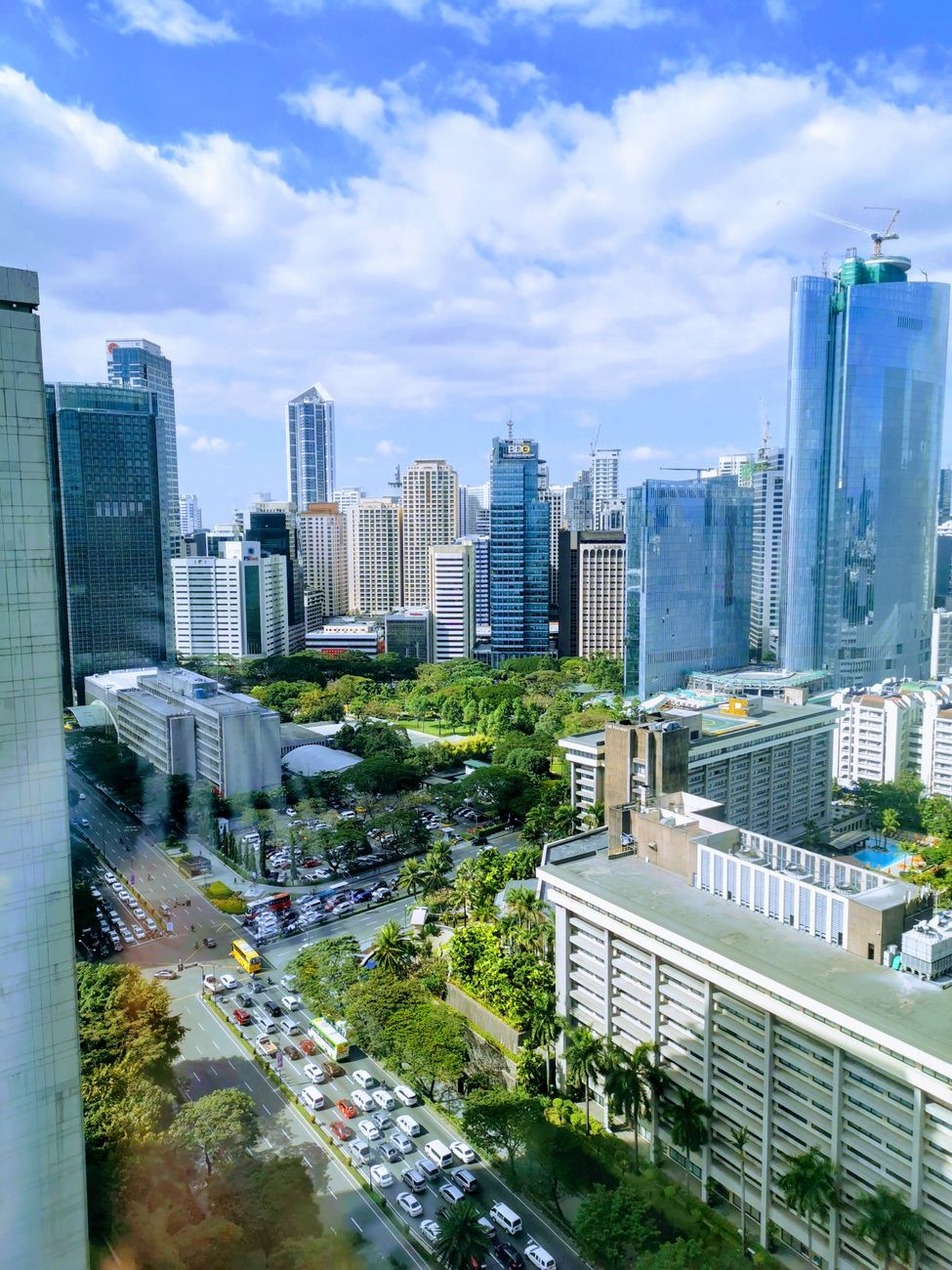
The commercial landscape of Metro Manila has reached a major turning point. With the issuance of Administrative Order No. 45 (AO 45), President Ferdinand Marcos Jr. officially lifted the seven-year moratorium on creating and accrediting new Information Technology (IT) economic zones in the National Capital Region (NCR), as reported in BusinessWorld’s analysis on AO 45 exemptions.
This policy pivot undoes the restrictive blanket ban imposed under Administrative Order No. 18 (AO 18) in 2019, which halted new IT ecozones in Manila to push investment into rural provinces.
While countryside growth remains a vital priority, market realities showed that forcing tech locators out of the capital created severe space shortages in prime business districts like BGC, Makati, and Ortigas. According to research from Colliers Philippines in BusinessWorld and coverage in Manila Bulletin, AO 45 restores a demand-driven model—unlocking over 1.2 million square meters of prime office space while positioning Metro Manila as a competitive hub for high-value digital services and Artificial Intelligence (AI).
Here is a breakdown of why this policy shift matters, what it changes for real estate and BPOs, and how it impacts the broader economy.
1. The Policy Shift: AO 18 vs. AO 45
To understand the impact of AO 45, it helps to look at how the regulatory environment managed by the Philippine Economic Zone Authority (PEZA) has changed since 2019:
| Feature | AO 18 (2019 Moratorium) | AO 45 (Current Framework) |
|---|---|---|
| Scope | Total freeze on new PEZA ecozone applications in NCR. | Reopens applications specifically for IT parks and centers. |
| Non-IT Ecozones | Frozen across Metro Manila. | Remains frozen for manufacturing, industrial, and tourism zones. |
| Core Strategy | Forced geographic dispersal of capital to secondary cities. | Demand-driven urban growth for digital and tech services. |
| PEZA Role | Barred from receiving or processing Manila applications. | Mandated to accept, evaluate, and process IT ecozone approvals. |
By keeping industrial and manufacturing bans intact while reopening IT ecozones, the government establishes a clear dual-track economic strategy: land-intensive manufacturing is guided toward regional industrial corridors, while talent-dense digital services are given room to thrive in the capital.
2. Real Estate Impact: Unlocking 1.2M SQM of Prime Office Space
Prior to AO 45, Metro Manila’s office market presented a striking paradox. While post-pandemic adjustments and the exit of offshore gaming operators left overall office vacancy near 20%, prime PEZA-accredited office space in major financial centers faced severe shortages.
Unlocked Office Supply Pipeline
By CBDProjected PEZA-accredited Grade A office stock (in ‘000 sqm) reactivated by AO 45.
NCR PEZA Vacancy Bottleneck
Supply QualityShare of prime Grade A hubs vs older peripheral properties prior to AO 45.
Joint industry insights from Colliers Philippines and market research published by Leechiu Property Consultants highlight that of the roughly 1.46 million square meters of vacant PEZA office space in NCR, less than 33% was located in prime hubs like Makati, BGC, and Ortigas. The rest consisted of older or peripheral properties lacking the modern telecommunication redundancies, power backup, and sustainability credentials required by global enterprises.
As detailed in Inquirer Business coverage on PEZA office demand, AO 45 directly resolves this bottleneck:
- 681,000 sqm of pending office space applications are now reactivated for PEZA processing.
- 604,000 sqm of planned pipeline projects can now actively pursue accreditation.
- 1.2M+ sqm of total PEZA-accredited inventory is projected to be unlocked through 2030.
Major property developers—including Ayala Land (ARCA South), Robinsons Land (Bridgetowne), and Yuchengco Group (The Yuchengco Centre)—can now offer tax-incentivized Grade A buildings to foreign tenants, stabilizing commercial yields and accelerating lease commitments.
3. Beyond BPO: Moving Up the Value Chain with AI and CREATE MORE
The timing of AO 45 aligns with a broader transformation highlighted in the IBPAP 2028 Industry Roadmap (Daily Tribune report). As routine, transactional voice operations are increasingly streamlined by Generative AI, the industry is pivoting toward high-value services, including:
- Software Engineering & Data Architecture
- AI Development & Machine Learning Operations
- Financial Analytics & Healthcare Management
- Global Capability Centers (GCCs)
These complex operations require specialized tech talent pools and deep infrastructure redundancies that are heavily concentrated around Metro Manila’s top universities and financial hubs.
IT-BPM Sector Transformation & Service Value Shift
High-Value TechEvolution from routine voice operations toward high-value AI, software, and healthcare analytics requiring prime NCR hubs.
Synergy with the CREATE MORE Act
This spatial realignment is further strengthened by Republic Act No. 12066 (CREATE MORE Act). Under CREATE MORE:
- Tax Incentives: Registered enterprises can access extended Income Tax Holidays (ITH) followed by a 5% Special Corporate Income Tax (SCIT) or Enhanced Deductions Regime (EDR).
- Hybrid Work Flexibility: IT-BPM locators in PEZA ecozones can maintain up to 50% Work-From-Home (WFH) arrangements without risking their tax incentives.
- VAT Zero-Rating: Clearer rules apply for zero-rated local purchases directly supporting operations.
By allowing new buildings in Metro Manila to earn PEZA accreditation, AO 45 allows multinational occupiers to pair state-of-the-art physical offices with flexible hybrid work policies—all while securing full fiscal incentives.
4. Key Takeaways for Businesses and Investors
- For Real Estate Developers & REITs: Reopening PEZA accreditation boosts tenant demand for new office towers, stabilizing rental yields and dividend distributions for listed Real Estate Investment Trusts.
- For Tech Locators & BPOs: Multinational firms gain immediate access to modern Grade A offices in core business districts without sacrificing PEZA tax perks or hybrid work models.
- For Regional Hubs: The policy creates a balanced division of labor. Metro Manila serves as the gateway for high-density innovation and enterprise AI hubs, while regional cities continue to expand cost-efficient back-office functions.
The Bottom Line
Administrative Order No. 45 replaces a restrictive, one-size-fits-all ban with a pragmatically targeted policy. By reopening Metro Manila to IT ecozones, the Philippines removes a major hurdle for foreign direct investment, revitalizes the commercial property market, and strengthens its standing in the global digital economy.
References & Key Sources
- BusinessWorld: Marcos Exempts New IT Parks from Ecozone Moratorium in NCR (AO 45 Coverage)
- Official Gazette of the Republic of the Philippines: Administrative Order No. 18 (s. 2019) Directing PEZA to Suspend Ecozones in NCR
- Colliers Philippines (BusinessWorld Property Report): PEZA Moratorium Lift to Boost Metro Manila Offices
- Manila Bulletin: Metro Manila IT Ecozone Ban Lift to Expand PEZA Office Supply — Colliers Analysis
- Leechiu Property Consultants: What the Latest PEZA Proclamations Mean for Office and Industrial Markets & 1H 2026 Philippine Market Report
- Inquirer Business: Support for Lifting Metro Manila Ecozone Moratorium & Lifting of NCR PEZA Moratorium to Help Create 1.1M Jobs
- Daily Tribune: Philippines IT-BPM Targets $50 Billion Revenue by 2028 With AI-Enabled Digital Workforce (IBPAP Roadmap)
- Philippine Economic Zone Authority (PEZA): Official Policy Directives & Registered Ecozones Portal
FAQ
– AO 45 officially lifts the 2019 moratorium (AO 18) on creating and accrediting new IT economic zones in Metro Manila under PEZA.
– It reactivates pending processing and unlocks over 1.2 million square meters of prime PEZA-accredited Grade A office space across NCR financial districts through 2030.
– CREATE MORE grants tax incentives (5% SCIT / Enhanced Deductions) and allows up to 50% work-from-home (WFH) flexibility for PEZA-registered IT-BPM locators in Metro Manila.