
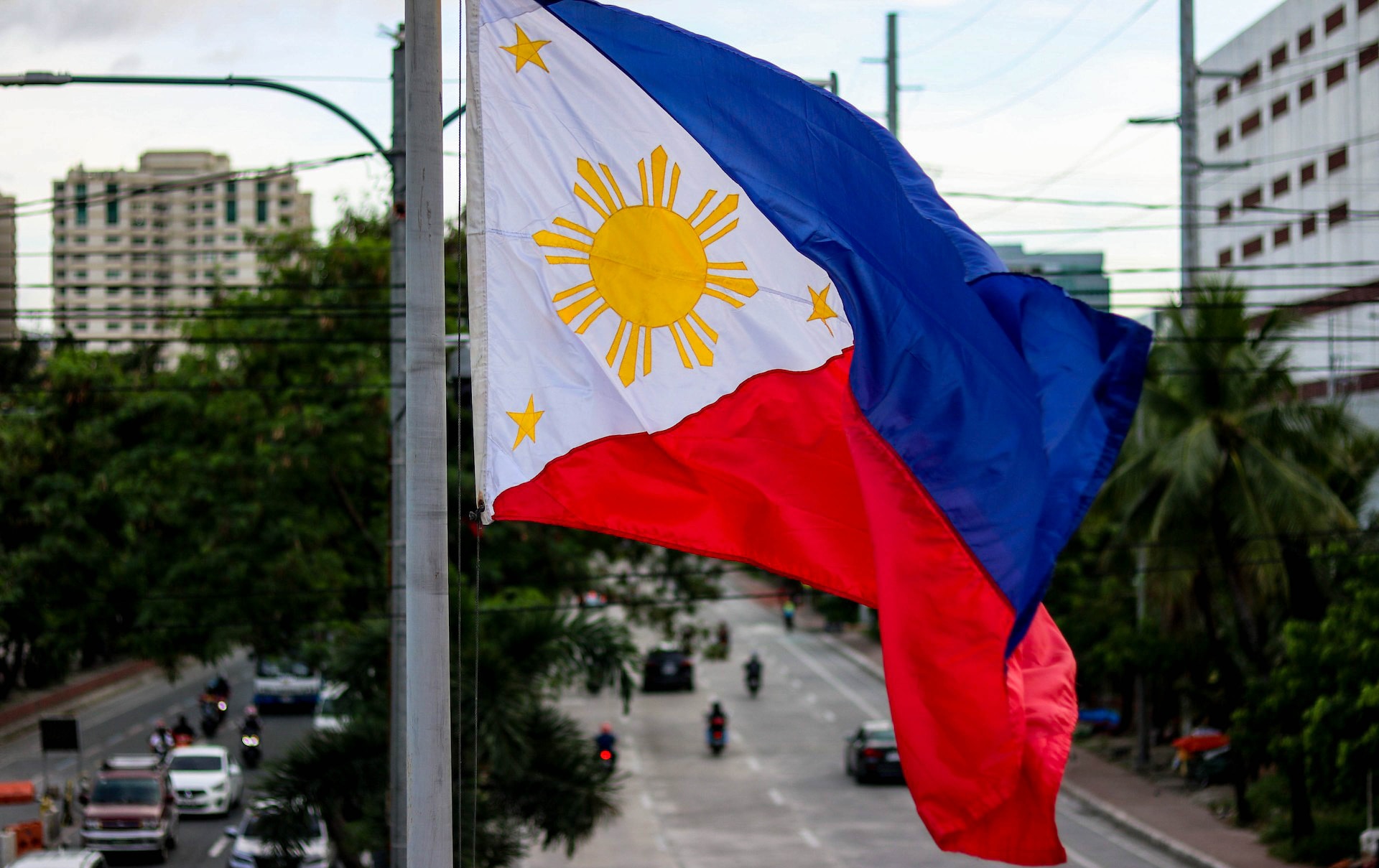
For Filipinos working abroad eyeing property investments back home, it’s crucial to grasp the consularization process. Consularization means getting your documents authenticated by the Philippine consulate or embassy in your host country, ensuring everything aligns with local laws.
The Importance of Consularization
This process safeguards your interests by verifying the authenticity of your documents, providing assurance to both you and the relevant Philippine authorities that your property transaction is legally sound.
Key Documents for Consularization
- Special Power of Attorney (SPA): If you can’t attend the transaction, you might use an SPA. This empowers someone you trust in the Philippines, and consularization ensures it’s legally valid.
- Proof of Identity and Citizenship: Documents like passports go through consularization to confirm your identity and citizenship.
- Property Documents: Deeds of sale, titles, and contracts may need consularization to ensure they’re legitimate and comply with the law.
The Consularization Process
- Contact the Philippine Consulate or Embassy: Reach out to inquire about their consularization requirements, as each consulate may have slightly different rules.
- Submit Required Documents: Provide the necessary documents for consularization, including originals and photocopies.
- Payment of Fees: Be prepared to pay the charges for each document being consularized.
- Waiting Period: The process may take some time, but some consulates offer expedited services for an additional fee.
Benefits of Consularization
- Legal Validity: Consularization enhances the legality of your documents, providing protection against potential legal challenges.
- Smooth Transactions: You’ll enjoy a more efficient property transaction process, ensuring compliance with Philippine legal standards.
Conclusion
For Filipinos working abroad looking to invest in Philippine real estate, understanding consularization is crucial for a secure and legally compliant property acquisition. Seek guidance from the nearest Philippine consulate or embassy, as consularization requirements may vary.